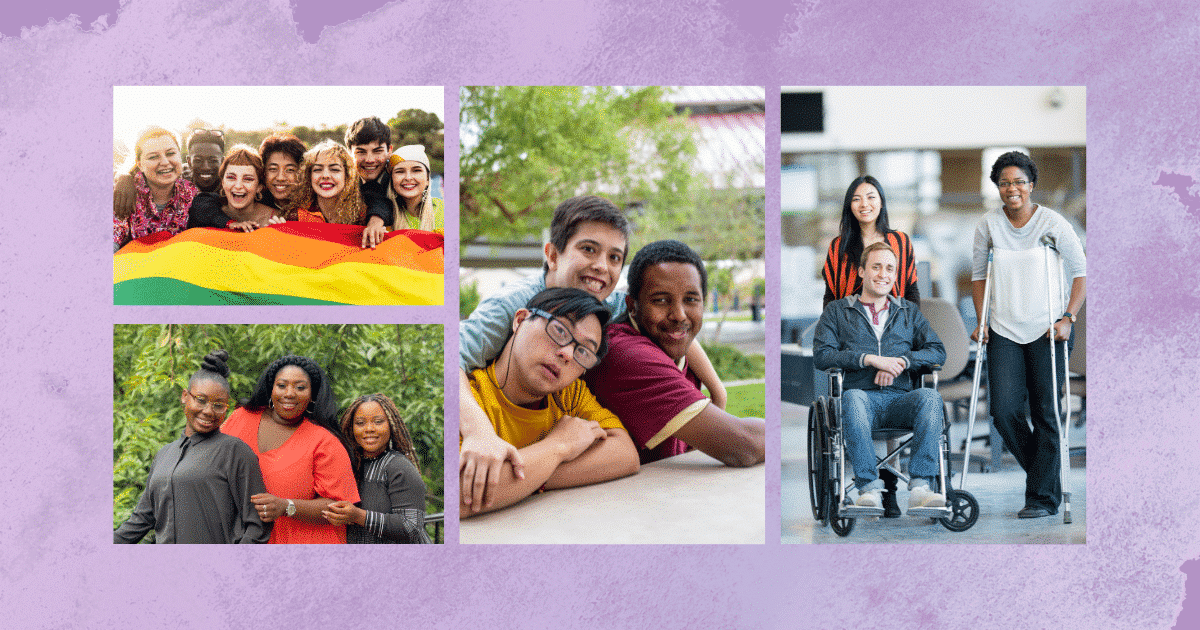

The disproportionate impact of domestic violence is felt across all genders, races, and backgrounds. Still, it is especially severe among marginalized groups such as the LGBTQ+ community, Black women, and people with disabilities.
LGBTQ+ individuals face unique challenges when it comes to domestic violence. According to the National Coalition of Anti-Violence Programs, LBGTQ+ people are more likely to experience domestic violence than heterosexual couples. In addition to the high levels of violence, individuals often face barriers to accessing support services due to judgment and discrimination.
Black women are also disproportionately affected by domestic violence. According to the National Domestic Violence Hotline, black women experience intimate partner violence at rates 2.5 times greater than white women. Black women are also more likely to be killed by their intimate partners than any other group of women.
People with disabilities are also at higher risk of experiencing domestic violence. According to the World Health Organization, individuals with disabilities are more likely to experience abuse and neglect than their counterparts without disabilities. Moreover, individuals with disabilities may face additional barriers to accessing support services due to physical and communication barriers.
It is important to remember that domestic violence is never the victim’s fault, and everyone deserves to live free from abuse and violence. We can build a safer and more just world for all by working together to address the root causes and creating inclusive and supportive communities.
If you or a loved one is experiencing domestic violence, call our 24-hour hotline at (602)244-0089 or click here for more information.
May 2023
Read More: